Over 11.4 million people in the UK file a Self Assessment return each year, yet a fair number still get the tax year dates muddled. That single misunderstanding leads to missed deadlines, lost allowances, and entirely avoidable penalty charges from HMRC.
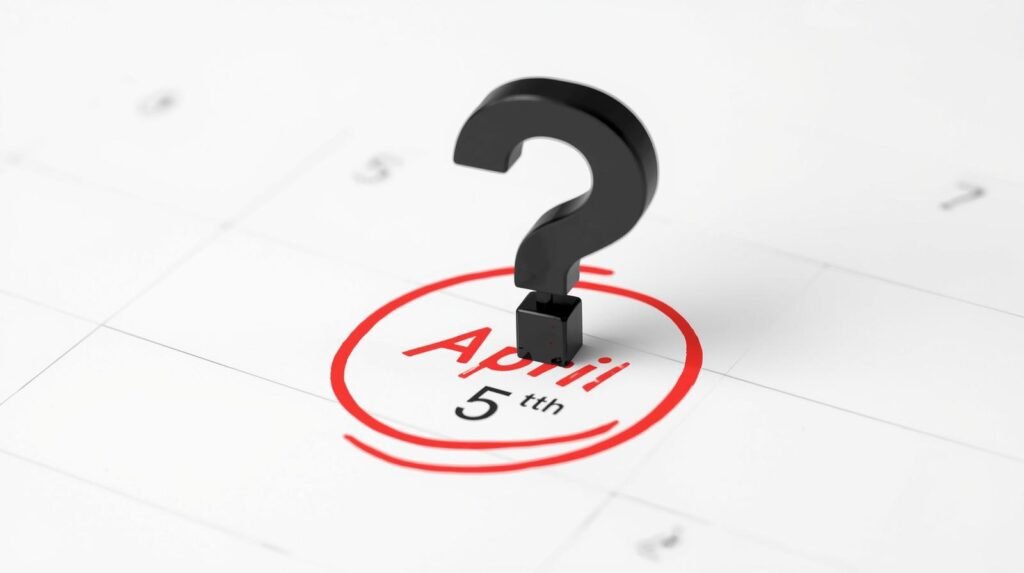
The UK tax year ends on 5 April, and the new one begins on 6 April every year without exception. That part is simple enough. The bigger question is what actually disappears when 5 April passes, what deadlines come next, and what it really costs to get those dates wrong.
What Is the UK Tax Year?
The UK tax year is the fixed 12-month period HMRC uses to assess all taxable income. It runs from 6 April to 5 April the following year, covering employment earnings, self-employed profits, rental income, dividends, and savings interest.
Even a single day’s difference in when income arrives places it in a completely different tax year, which affects which allowances apply and when any tax becomes due.
The personal tax year also runs separately from a limited company’s accounting year; filing Accounts and Tax Returns accurately means getting that distinction right from the start.
Why Does the Tax Year End on 5 April?
The date throws most people off, and honestly, it should. It comes down to a calendar switch back in 1752 when Britain dropped eleven days to align with the rest of Europe, and the Treasury was not willing to lose that tax revenue.
So, the tax year start date got pushed forward to make up for it, and it has sat on 6 April ever since. It settled on 6 April following a further correction in 1800, and it has stayed there ever since.
UK Tax Year Key Dates at a Glance
The table below covers the key dates for recent and upcoming tax years, including the Self Assessment deadline and when any tax owed falls due.
| Tax Year | Starts | Ends | SA Deadline | Payment Due |
| 2023 to 2024 | 6 Apr 2023 | 5 Apr 2024 | 31 Jan 2025 | 31 Jan 2025 |
| 2024 to 2025 | 6 Apr 2024 | 5 Apr 2025 | 31 Jan 2026 | 31 Jan 2026 |
| 2025 to 2026 | 6 Apr 2025 | 5 Apr 2026 | 31 Jan 2027 | 31 Jan 2027 |
| 2026 to 2027 | 6 Apr 2026 | 5 Apr 2027 | 31 Jan 2028 | 31 Jan 2028 |
What Resets When the New Tax Year Starts?
The arrival of 6 April triggers a full reset on allowances that cannot be carried forward. Whatever goes unused on 5 April is simply gone, which is why the weeks before the year ends matter so much for financial planning. The key ones that refresh each year include:
- Personal Allowance resets to the standard income threshold for the new tax year.
- ISA allowance of £20,000 starts completely fresh — any unused portion from the year before is lost.
- Capital Gains Tax exemption renews regardless of whether the previous year’s was used.
- Pension annual allowance refreshes, with some limited carry-forward rules for unused relief.
For VAT-registered businesses, 6 April can also bring changes to thresholds or rates worth checking. Keeping Vat Returns up to date is particularly important at this time of year, as late submissions attract automatic penalties and interest accrues from the due date.
How to Get Ready Before 5 April
The final weeks before 5 April are the most useful time to act. Once the year closes, most planning options disappear. Reviewing pension contributions, ISA usage, and income position before the deadline can genuinely reduce the final tax bill in ways that simply are not possible after 5 April has passed.
Good Bookkeeping for your business throughout the year makes the year-end review far less stressful. Organised records mean the numbers are ready when April approaches, rather than being pulled together under pressure.
Vital Accountax helps businesses and individuals stay on top of when is the end of the tax year; get in touch at Vital Accountax to plan ahead and file with confidence.
Frequently Asked Questions
When is the end of the tax year in the UK?
The UK tax year ends on 5 April every year. The 2025 to 2026 tax year closes on 5 April 2026.
When does the new tax year begin?
The new tax year starts on 6 April, with all personal allowances and thresholds resetting from that date.
Is the tax year the same as a company’s financial year?
No, a limited company can set its accounting year to any start date, while the personal tax year always runs from 6 April to 5 April.
What is the Self Assessment filing deadline?
Online returns must be submitted by 31 January after the tax year ends, with any tax owed due on that same date.
What happens if a deadline is missed?
HMRC issues an automatic late filing penalty, and interest accrues on any unpaid tax from the due date onwards.
Does the end of the tax year affect VAT?
VAT runs on its own quarterly or annual cycle, though HMRC sometimes adjusts thresholds or rates from 6 April each year.