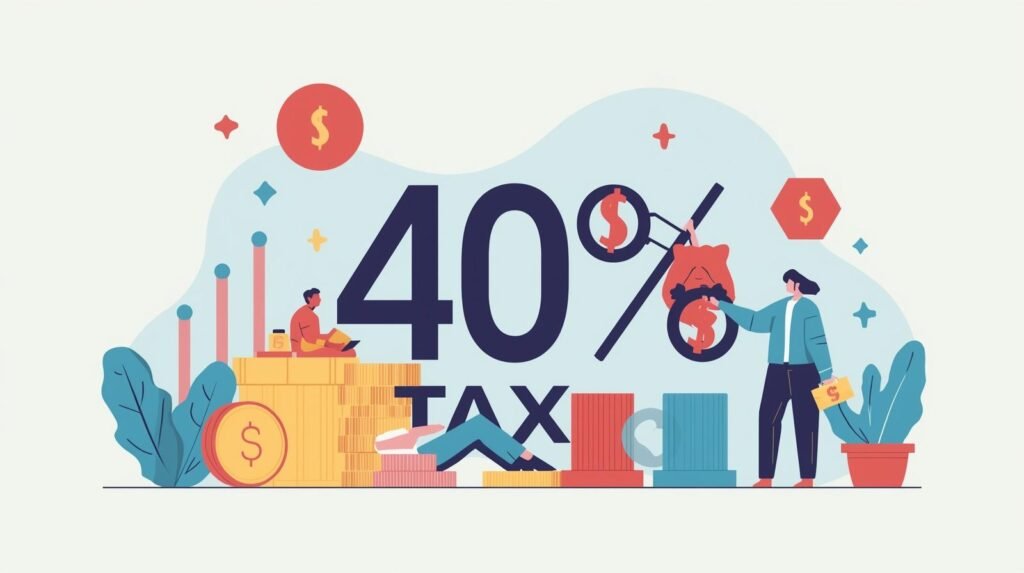
Getting a pay rise feels great. But then someone mentions the “40% tax bracket,” and the worry starts. Many people think they will lose nearly half their income to HMRC. That is not true. The 40% tax bracket is the UK’s higher rate tax band, covering taxable income between £50,271 and £125,140 for the 2025/26 tax year.
Only the slice of income above that level is taxed at 40%, not your full earnings. So if you are already earning over £50,271, or heading that way soon, do you actually know how much of your money HMRC is really taking?
What Is the 40% Tax Bracket?
The 40% tax bracket is the UK’s highest tax band. For the 2025/26 tax year, it covers taxable income between £50,271 and £125,140. HMRC calls people in this range higher-rate taxpayers.
But here is the key point. You do not pay 40% on all your money. The UK uses a progressive tax system. This means each part of your income is taxed at a different rate.
UK Income Tax Bands for 2025/26
Here is a quick look at all four income tax bands for this tax year:
| Income Range | Tax Rate | Band Name |
| Up to £12,570 | 0% | Personal allowance |
| £12,571 to £50,270 | 20% | Basic rate |
| £50,271 to £125,140 | 40% | Higher rate |
| Over £125,140 | 45% | Additional rate |
Your personal allowance is the amount you can earn tax-free each year. Only the income above each level is taxed at that rate.
Do You Really Pay 40% on Everything?
No. This is the biggest myth around the higher-rate tax band. Let us look at a real example to make it clear.
Say you earn £70,000 a year. Here is how HMRC splits your tax bill:
- First £12,570: 0% = £0 (personal allowance)
- £12,571 to £50,270: 20% = £7,540
- £50,271 to £70,000: 40% = £7,892
- Total tax = £15,432
Only £19,730 of your income gets taxed at 40%. The rest is taxed at lower rates. This is what a marginal tax rate means. You never pay one rate on everything you earn.
What Income Pushes You Into the 40% Bracket?
Many people are surprised to learn that HMRC counts more than just your salary when it works out which tax band you fall into. Several income types can push you past the higher rate threshold.
Salary and Bonuses
Your basic pay plus any bonus counts toward your total taxable income. A one-off bonus can quietly push you past the higher rate threshold without any warning.
Dividends and Investment Income
Company directors and investors add dividend income to their total income. This is a common trigger for the 40% tax bracket. Our support for limited company directors helps you plan your salary and dividend mix with care.
Rental and Self-Employment Income
Self-employed people and property owners must declare their rental income and business profits each year on their self-assessment tax return. These amounts are added to your salary if you have one.
The Hidden Costs of the Higher Rate Band
The 40% rate is only part of the picture. When your income rises past certain points, other changes happen quietly in the background that can cost you more than you expect.
Personal Allowance Taper
When your income reaches above £100,000, your personal allowance begins to reduce. For every £2 over £100,000, you lose £1 of your allowance. This increases the marginal rate of tax to 60% between £100,000 and £125,140.
High Income Child Benefit Charge
Once your income reaches a certain threshold, you have to repay some or all of the Child Benefit. This is known as the High Income Child Benefit Charge, and it comes as a surprise to many families.
Reduced Savings Allowance
Higher-rate taxpayers only get £500 of tax-free interest on savings. Basic-rate taxpayers get double that, at £1,000. Your savings become less efficient once you cross the higher rate threshold.
How to Manage the 40% Tax Bracket
The good news is that legal tax planning can cut the amount you pay. Small changes to how you take income can make a big difference to your annual tax bill.
Make Pension Contributions
Pension contributions reduce your taxable income before HMRC calculates your tax. If you earn £55,000 and pay £5,000 into a pension, your taxable income drops to £50,000. That could bring you back below the 40% tax threshold. Our pension service can help you set this up correctly.
Use a Limited Company Structure
Business owners can run their business through a limited company and receive a salary and dividends. This allows you to manage how much of your income is taxed at this rate. We offer company formation and bookkeeping support to get you set up the right way.
File Your Self-Assessment Tax Return
As a higher-rate taxpayer, HMRC expects you to complete a self-assessment tax return each year. This is how you claim tax relief on pension contributions and other allowable expenses.
Will the 40% Tax Threshold Change?
The UK government has frozen the income tax thresholds until 2028. The bands will not rise with inflation. As wages grow, more people will be pulled into the higher rate band without earning significantly more. This process is called fiscal drag. It makes tax planning more important for workers and business owners than ever before.
Frequently Asked Questions
How much can I earn before paying 40% tax?
You can earn up to £50,270 before entering the higher rate tax band in 2025/26.
Does the 40% bracket apply in Scotland?
No. Scottish taxpayers follow different Scottish income tax rates with more bands than the rest of the UK.
Can I legally stay below 40%?
Pension contributions, ISA savings, and smart business structures can all reduce your taxable income below the threshold.
Do dividends get taxed at 40%?
No. Dividends have their own rates. But they are added to your total income when HMRC decides your tax band.
How Vital Accountax Can Help
At Vital Accountax, we help workers, business owners, and landlords across the UK manage their income tax with confidence. Whether you need help with your self-assessment, payroll, accounts, or CT600, our friendly team is ready to step in.
Do not let the higher tax bracket catch you off guard. Get in touch with us today and let us make your tax simple, clear, and stress-free.