Do I Need to File a Self Assessment Tax Return? A Quick Check
You usually need to file a Self Assessment return if you have income that hasn’t already been taxed through PAYE. The most common reasons are self-employment, rental income and income from a partnership. If you’re employed and have no other income, you usually don’t need to file. Quick check: common situations Your situation Do you […]
Director’s Loan Account: Rules, S455 Tax and How to Clear It
A director’s loan account (DLA) is the running record of money moving between you and your company that isn’t salary, dividends or expense repayments. If you take out more than you’ve put in, the account is overdrawn and you owe the company money. An overdrawn balance isn’t a problem in itself. It becomes expensive if […]
Corporation Tax Deadline: When to Pay and When to File
A limited company usually has three separate deadlines after each year end, and they don’t fall on the same day. The one that catches most directors out is that corporation tax must be paid before the tax return is due. The three deadlines after your year end What Who it goes to Deadline Pay corporation […]
VAT Penalty Points and Late Payment Penalties Explained
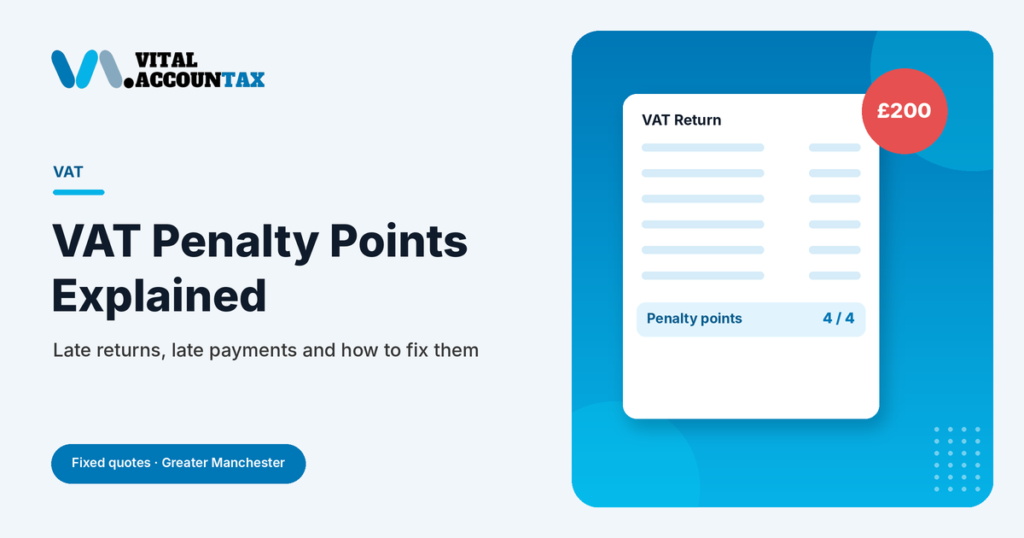
Since January 2023, HMRC uses a points system for late VAT returns. A late return earns a point, not an instant fine. You only pay a £200 penalty once you reach a points threshold. Late payment is a separate system. It’s charged as a percentage of the VAT you owe, and the rates went up […]
What Does an Accountant Do for a Small Business?
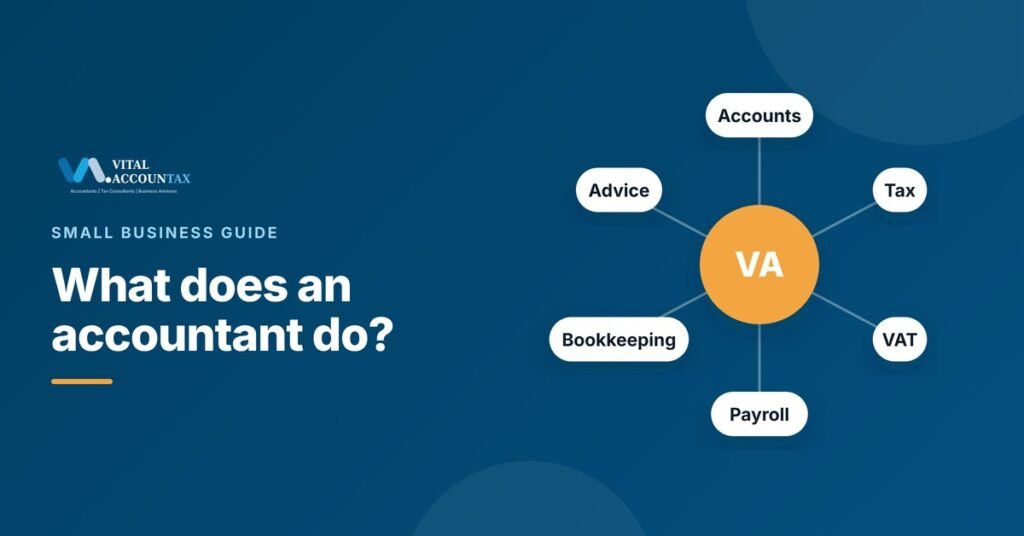
An accountant for a small business prepares your accounts and tax returns, files them with HMRC and Companies House, and keeps you on top of deadlines. A good one also advises you on tax, cash flow and big decisions, such as whether to register for VAT or set up a limited company. Exactly what they […]
VAT Registration Threshold: When You Must Register for VAT
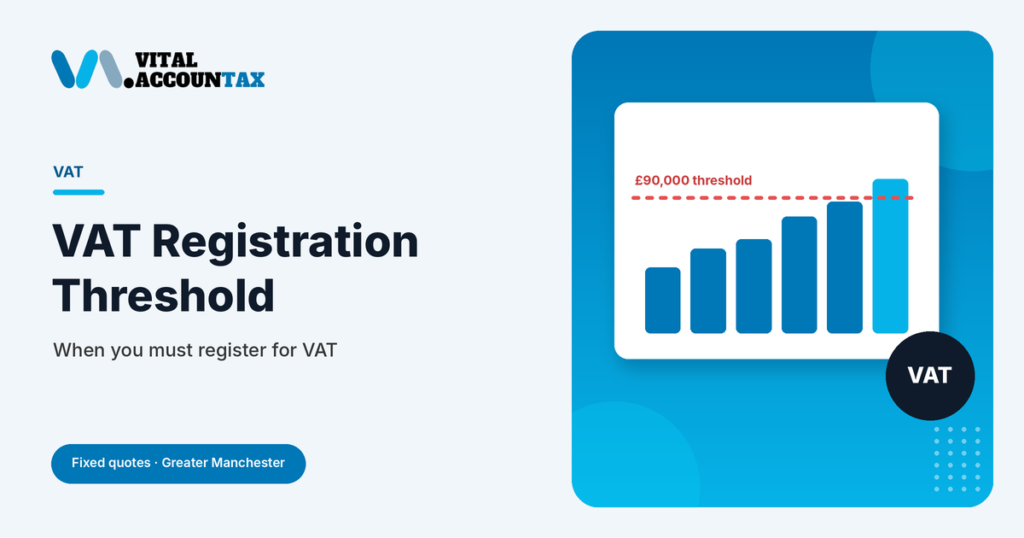
The UK VAT registration threshold is £90,000 of VAT-taxable turnover. It has applied since 1 April 2024. Once your taxable turnover goes over it, you must register with HMRC. The figure is simple, but the way it’s measured isn’t. Many small businesses only discover they should have registered months after the fact, and then owe […]
How Much Does an Accountant Cost for a Small Business in the UK?
There is no single price for an accountant. What you pay depends mainly on your business structure, how many transactions you have and which services you need. A sole trader who only needs a Self Assessment return will pay far less than a VAT-registered limited company with staff on payroll. This guide explains how accountants […]
How to Choose an Accountant: 14 Questions to Ask Before You Hire
The best way to choose an accountant is to ask the same set of questions to two or three firms and compare the answers. Focus on four things: whether they are qualified and supervised, whether they understand businesses like yours, exactly what their fee includes, and how they will work with you day to day. […]
Year-End Checklist: What Your Accountant Needs From You
At year end, your accountant needs a complete picture of the year: bank statements, sales and purchase records, details of assets bought or sold, money owed to and by the business, and any personal or director transactions. The more complete and organised these records are, the faster and cheaper your accounts will be. Use the […]
Accountant vs Bookkeeper: What’s the Difference and Which Do You Need?
A bookkeeper records your day-to-day financial transactions. An accountant uses those records to prepare your accounts and tax returns, and to advise you. In short, the bookkeeper keeps the books accurate; the accountant turns them into filings and decisions. Many small businesses need both, but not always from two different people. Here is how the […]